
How to habit space
"fake it until you make it" make what?, clothes, and my issue with capitalism (again)

(Traducción en español al final)
“Very few people possess true artistic ability. It is therefore both unseemly and unproductive to irritate the situation by making an effort. If you have a burning, restless urge to write or paint, simply eat something sweet and the feeling will pass” Fran Lebowitz. The Fran Lebowitz Reader, 1994
I’ve never been brilliant at drawing, painting and much less sculpting, and according to my friend, Beth, I do not seem like a person who’s good at origami, whatever that means; my sister, however, was born with talent, as Fran Lebowitz puts it, she possesses true artistic ability. At my childhood home, you won't find pictures lying around or portraits in frames, instead, the walls hold an exhibition of my sister’s finished and unfinished canvas, a couple of others stand still in the corner of rooms since we ran out of nails to hang them, surfaces stained with oil paint are part of the testimony that declares she made them. In my room, books are displayed everywhere, I don’t own any shelves, hence I place them wherever they can fit or pile them, always making sure my sight is able to reach them.
Lately, I’ve been invested in Architectural Digest YouTube videos, specifically with the Behind Design and Unique Spaces series. I’ve never been interested in becoming an architect or an interior designer for that matter, but I've always been stressed by how humans live their spaces.
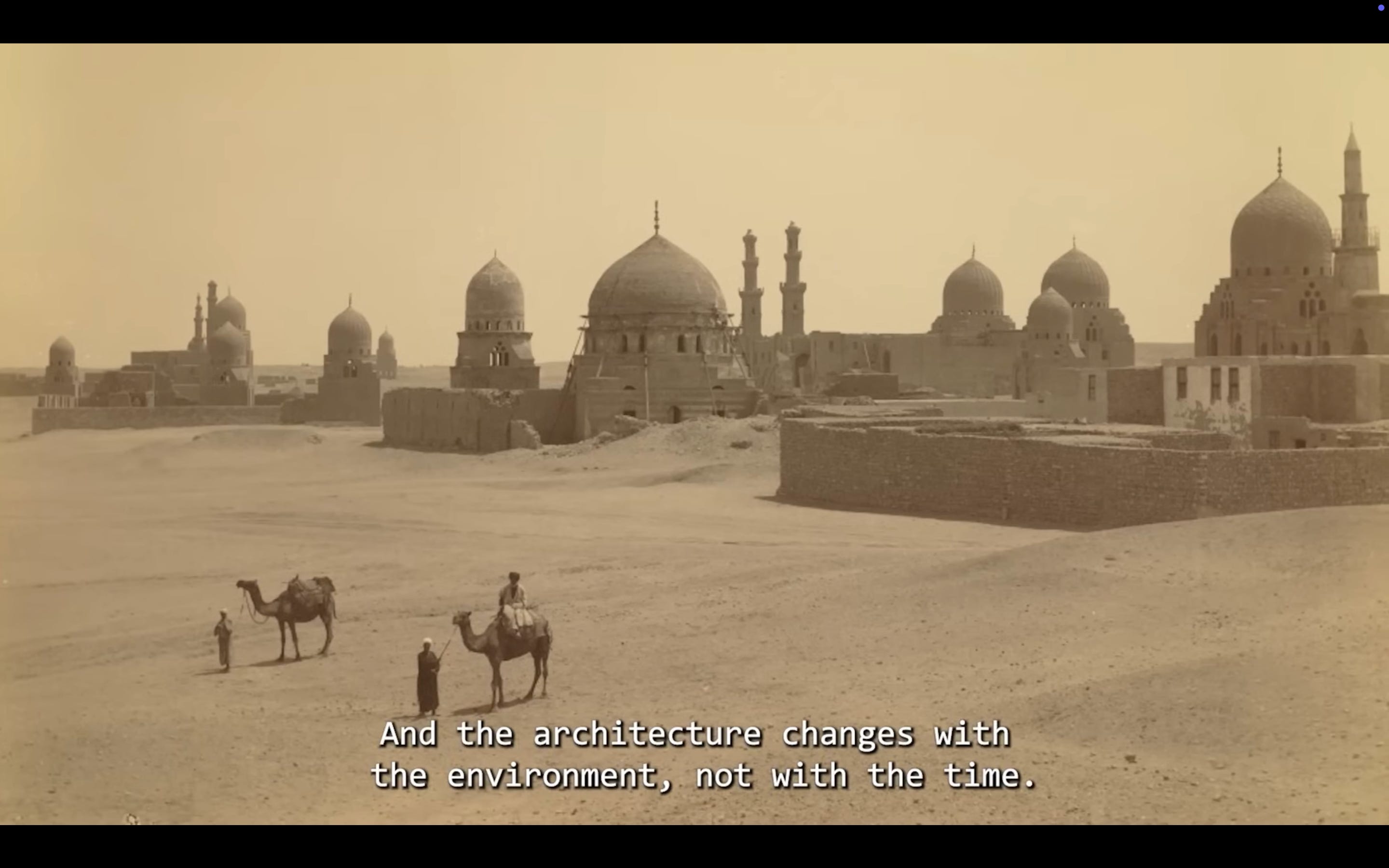
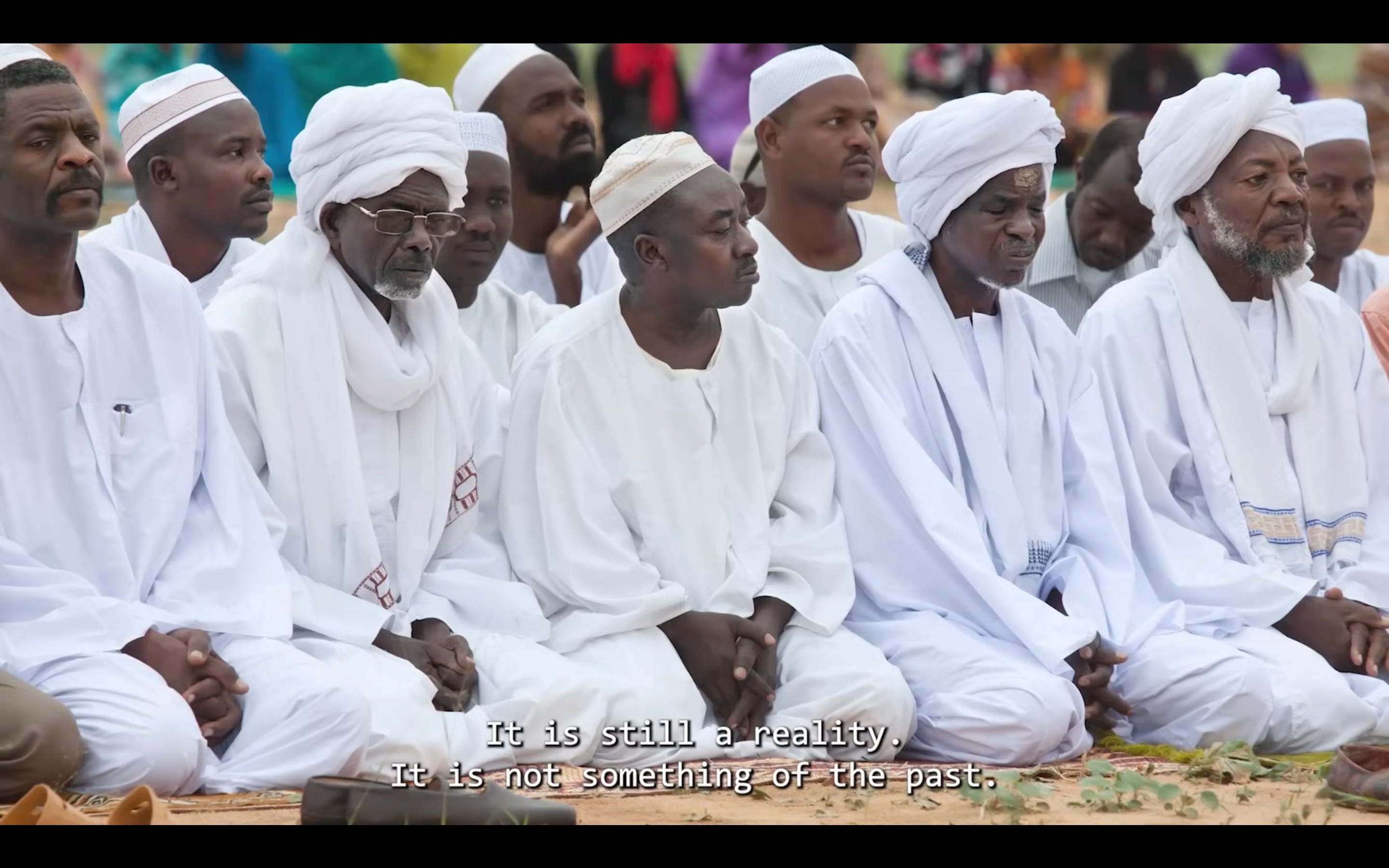
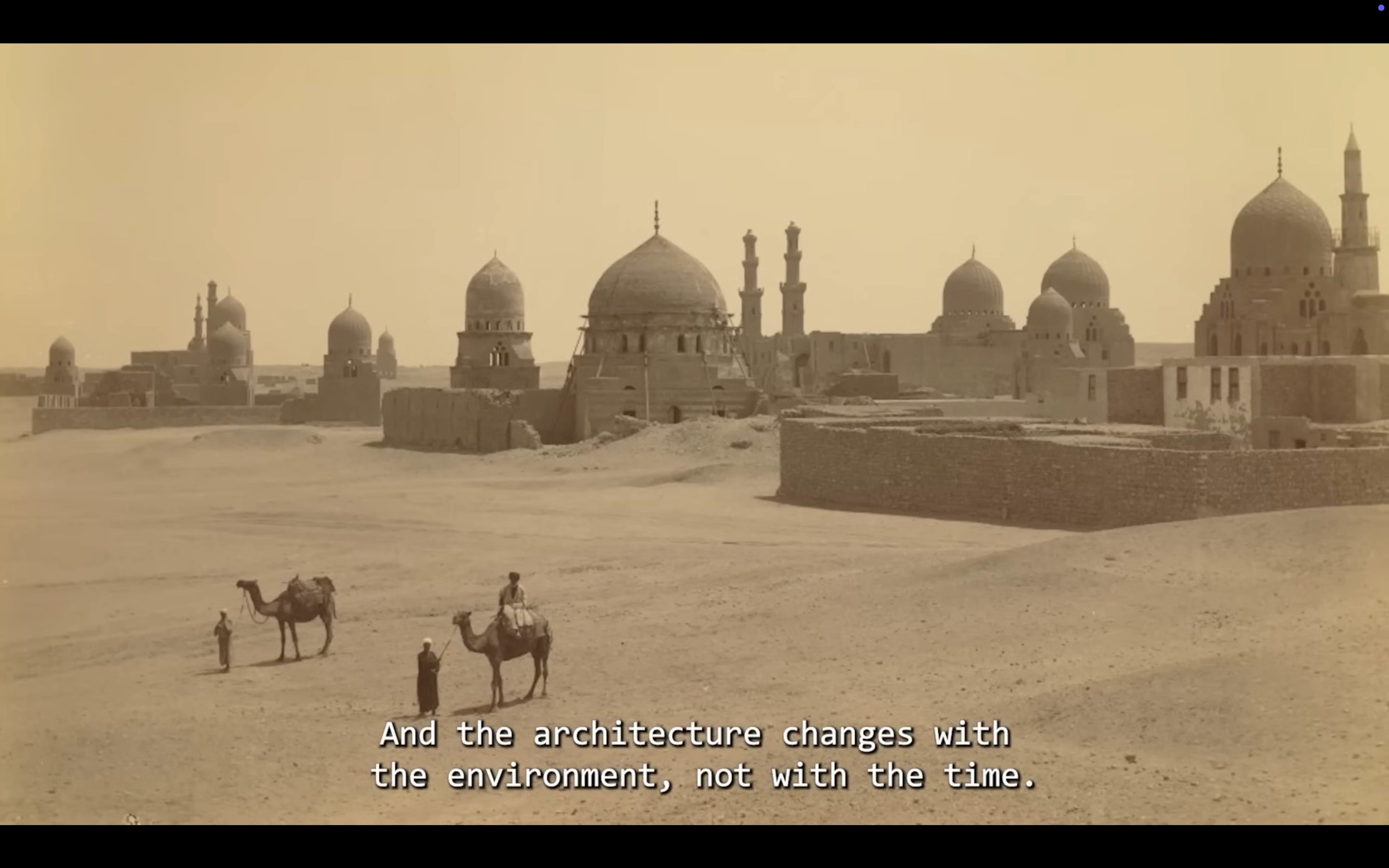
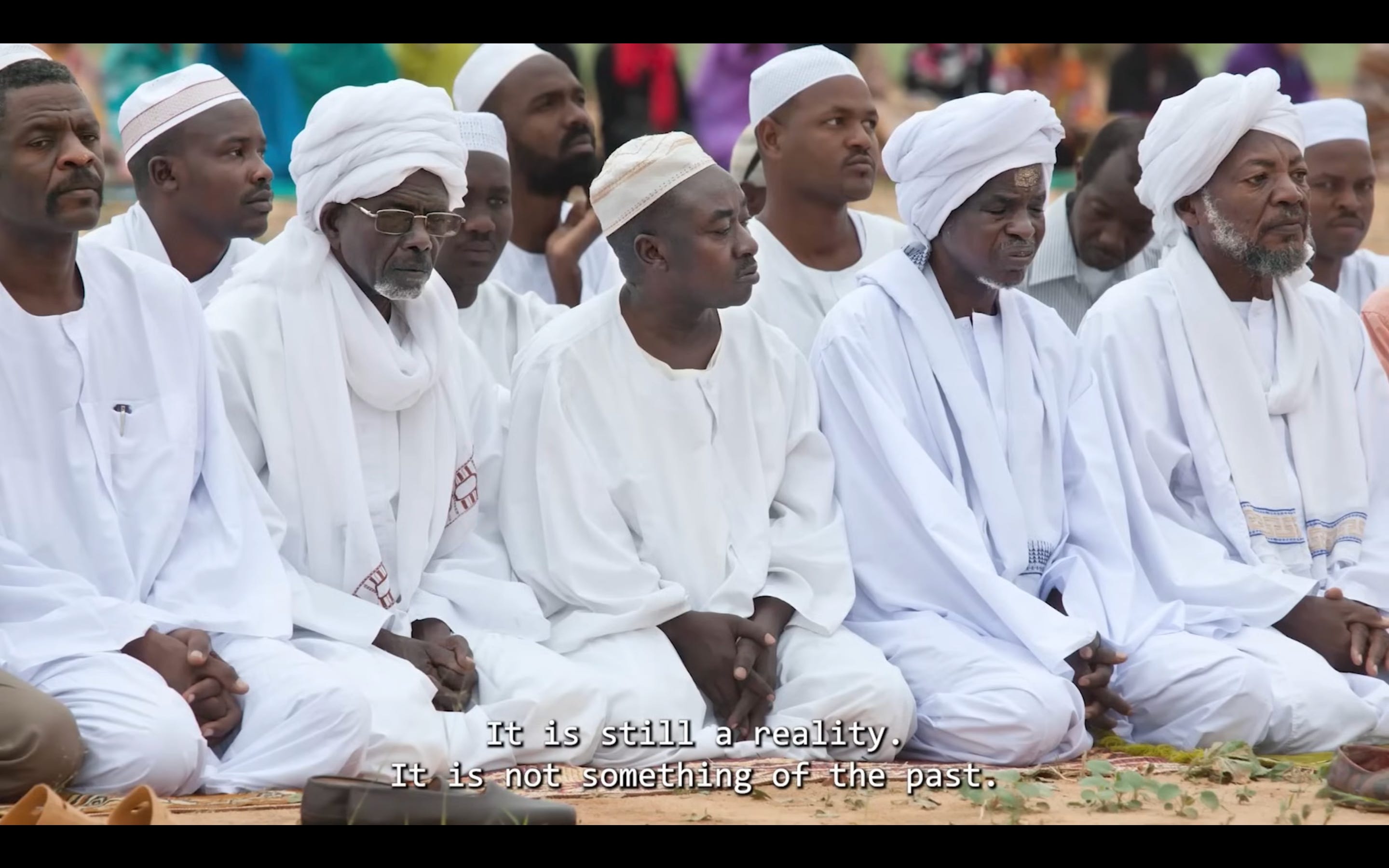
In a documentary directed by Furqat Plavan-Zade and Olga Korsun (2021), architect Abdelwahed El-Wakil states “Our architecture is not caught in the vortex of time. It is not a style; like you have the Baroque, the Rococo, no. Architecture is not placed in time, it is placed in space. […] Architecture changes with the environment, not with time” when talking about Muslim communities, pointing out how many of their ceremonial spaces have held their place since the time of The Prophet. The modifications within the edifices have more to do with the community’s reality and less with what the “future needs,” given a world where dominance and hegemony portray a single veneer; the collective future is uniquely built according to their dreams, not ours.
In 1991, Ray Oldenburg introduced a typology that insisted we habit — arguably — three spaces. Whereas the First Place, is an individual’s home; the Second Place, is the workplace; and the Third Place, is a personalizable and informal public gathering space. It is also worth noting the idea of online spaces as the Fourth Space, despite being relatively new, has gained solidity over time due to technology and how young folk are managing their relationships nowadays.
Oldenburg’s analysis highlights the complexity of these spaces and, what I believe is even more interesting, how we socially encompass our reality to them, answering questions such as how deeply aggressive isolation is, why we need to be associated, and how violent the decline and merging of some of these spaces are. However, what I’m most intrigued by is how we habit them.
In First Spaces, we are allowed and — even — encouraged to pour ourselves into what we want to wake up to. In my case, it’s the multiple books piled up, the flyleaves I tore off and wrote all over and now are sticking to the walls, the makeup I use daily ready on the surface of my vanity; but when I was a teenager, it was the One Direction posters and when I was a kid Monster High dolls on display. I habited through space, and my presence was legitimized thanks to the modifications I made, anyone could tell those three rooms, although different, were lived.
On the other hand, when habiting Second Spaces we face more restrictions on making such modifications. If we examine this system’s generic workplace, it’s not meant to be lived; the chairs are just as comfortable to invite someone who’s been standing for hours to sit, but not as comfortable for them to relax. We see these as temporary spaces, where our energy and labor are being devoted. Someone working in an office might have a picture of their dog or their child at their desk, a drawer with a sweet treat, but that is pretty much the extent of it; if he’s being replaced those things are going away with them as well.
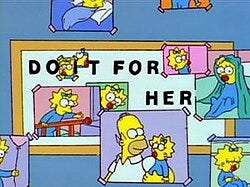
Capitalism cherishes devotion, and so it seems convenient to trick you into thinking a Second Space can also be a Third Space by taking most of your time —in the best of cases—, by casting you and your colleagues to a place full of amenities that might seem fun and distracting; so now, you mistake those walls and ceilings for a second home, after all, as Emmeline Cline says, a prison might also be a safe house.
“It is not true that there is dignity in all work. Some jobs are definitely better than other. It is not hard to tell the good jobs from the bad. People who have good jobs are happy, rich, and well-dressed. People who have bad jobs are unhappy, poor and meat extenders. Those who seek dignity in the type of work that compels them to help hamburgers are certain to be disappointed” Fran Lebowitz. The Fran Lebowitz Reader, 1994
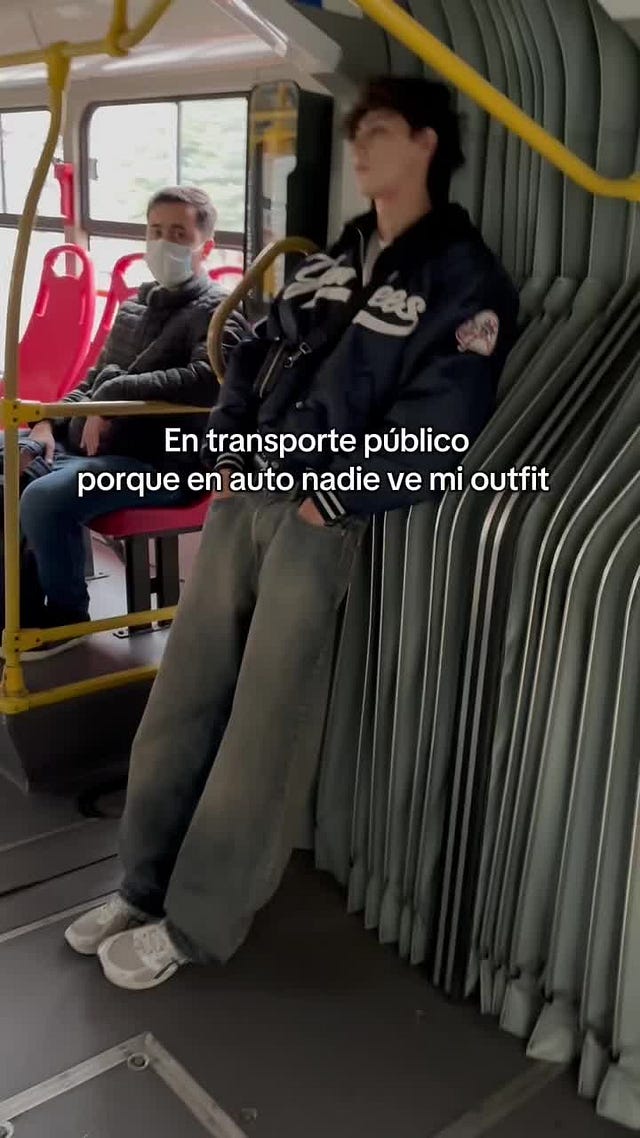
Lebowitz never fails to baffle me, not by things she says, but by how she does it. She isn’t the one to stab you, her observations make the dagger visible, and her remarks twist it so you can feel it. On dignified jobs, she discusses happiness, richness, and … clothes. When we are restricted to modifying the space within us, then our presence is entitled to what we wear. We habit through clothes.
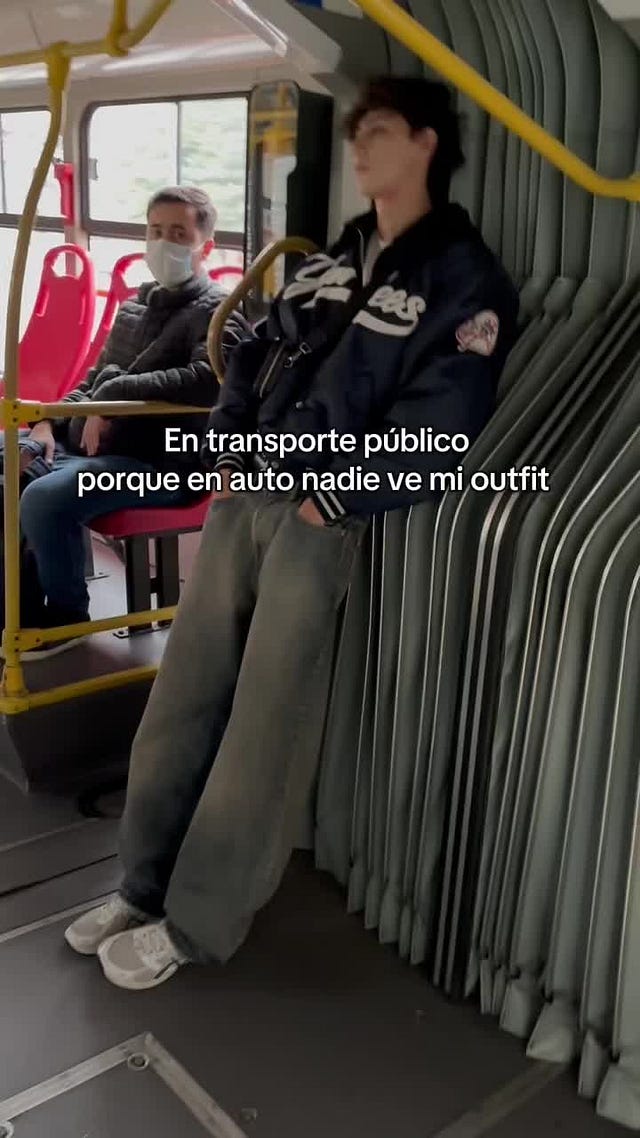
 Tiktok failed to load.
Enable 3rd party cookies or use another browser
Bella Freud, besides being Sigmund Freud’s great-granddaughter, has a podcast under the name of “Fashion Neurosis”, and dare I say, my latest obsession. In each episode, a guest involved in the fashion and culture scene is invited to lie on a couch and have an hour-long conversation about clothes, identity, and how to wear. Freud sets the mood for the session with a simple question right at the beginning “Can you tell me what you are wearing today, and why you chose these particular clothes?” to which, naturally, every guest answers differently.
Graydon Carter, journalist and ex-editor of Vanity Fair, on his episode said
“I dressed much better as a writer than I was a writer back in those days, […] if you look like you are somewhat a successful, people might actually think you are successful, even though you are not”
I’ve personally always been repulsed by the 'fake it until you make it' , but I couldn’t quite pinpoint why. Now I know it's because we can tell. Everyone can tell, and so fashion becomes performative.
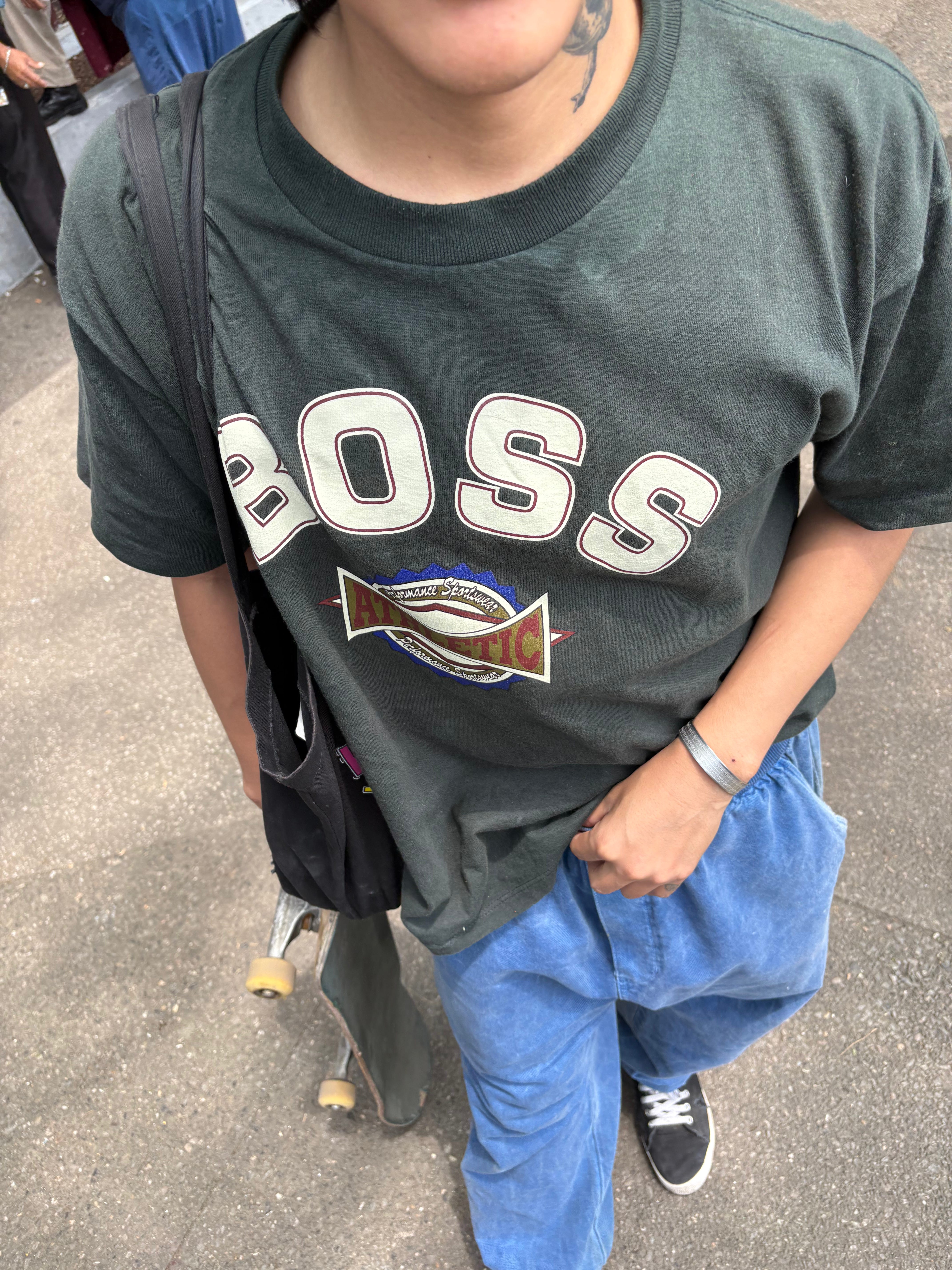
Atiya Walcott offers an insightful analysis on her video "The Power of the Personal Uniform". She constantly highlights the importance of answering the question of what is true to yourself, which might seem like a tough task, but perhaps discerning what isn’t could make it easier. I know — as of now —, I don’t wear heels, walking around the city and taking bikes wearing them doesn’t seem ideal, but my friend does it, it works for her, it is her. Your clothes shouldn’t feel like a costume.
Read my latest post!!

Traducción
“Son muy pocos quienes verdaderamente poseen habilidad artística. Entonces, resulta inútil e improductivo irritar la situación haciendo un esfuerzo. Si tienen un deseo por escribir o por pintar que te carcome el alma, simplemente come algo dulce y el deseo pasara” Fran Lebowitz. The Fran Lebowitz Reader, 1994
Nunca he sido brillante dibujando, pintando y mucho menos esculpiendo, y de acuerdo a mi amiga, Beth, no parezco como alguien que sea bueno haciendo papiroflexia, lo que sea que eso signifique. Mi hermana por otro lado, posee talento nato, tal como Fran Lebowitz dice, ella posee verdadera habilidad artística. En mi hogar, no encontraras fotografías o retratos enmarcados, en su lugar, las paredes sostienen en exhibición las pinturas terminadas o canvas semiacabados de mi hermana, y cuando nos quedamos sin clavos para colgar algunas se quedaron reposando en las esquinas de las habitaciones, superficies manchadas de oleo forman parte del testimonio que declara que ella las hizo. En mi habitación, los libros están por todas partes, no tengo repisas ni libreros, por lo tanto, los coloco donde quepan o donde los pueda apilar, siempre asegurándome que estén al alcance de mi vista.
Últimamente, he pasado más tiempo del que me gustaría admitir viendo videos en YouTube de Architectural Digest, específicamente las series de Behind Design y Unique Spaces. Nunca he estado interesada en estudiar arquitectura o ser una diseñadora de interiores, de hecho una de mis más grandes pesadillas es tener que hacer una maqueta, pero siempre me ha estresado como los humanos viven sus espacios.
En el documental dirigido por Furqat Plavan-Zade y Olga Korsun (2021), el arquitecto Abdelwahed El-Wakil, declara “Nuestra arquitectura no está atrapada en el vortex del tiempo. No es un estilo, como el Barroco o el Rococó, no. La arquitectura no se coloca en el tiempo, se coloca en el espacio. […] La arquitectura cambia con el ambiente, no con el paso del tiempo”, mientras habla acerca de las comunidades musulmanas, señalando como múltiples de sus espacios ceremoniales se han mantenido desde la era de El Profeta. Las modificaciones que sufren sus edificaciones son producto de la realidad de la comunidad y no tanto de lo que “el futuro necesita”, en un mundo donde la dominancia y hegemonía retratan un único rostro, el futuro colectivo esta construido de acuerdo a sus sueños, no a los nuestros.
En 1991, Ray Oldenburg introdujo una tipología donde asevera que habitamos – presumiblemente – tres espacios. Donde el Primer Espacio es el hogar de un individuo, el Segundo Espacio, el lugar de trabajo, y el Tercer Espacio, es un espacio personalizable e informal de reunión pública. Cabe destacar, la idea de los espacios en línea conforman un Cuarto Espacio, a pesar de ser relativamente nuevo, ha ganado solidez con el paso del tiempo en razón de la tecnología y a como los jóvenes deciden gestionar sus relaciones de amistad y románticas hoy en día.
El análisis de Oldenburg resalta la complejidad de estos espacios y, lo que me parece aún más interesante, como nos presentamos socialmente a nuestra realidad, respondiendo preguntas tales como: ¿Por qué necesitamos asociarnos? ¿Qué tan agresivo es el aislamiento? ¿Qué tan violento es el declive y fusión de algunos de estos espacios? Sin embargo, me intriga más ¿Cómo habitamos los espacios?
En Primeros Espacios, se nos permite, y en algunos casos somos alentados a derramarnos a nosotros mismos en “el qué deseamos despertar”. En mi caso, son las múltiples pilas de libros, las hojas que arranque y llene de letras para después pegarlas en las paredes, el maquillaje que uso a diario listo en la superficie de mi tocador; pero cuando era una adolescente, eran los posters de One Direction y cuando era una niña, era mi exhibición de muñecas Monster High. Habité a través del espacio, mi presencia se legitimaba gracias a las modificaciones que forzaba; cualquiera podría notar que esas tres habitaciones, si bien distintas, fueron vividas.
Por otro lado, al habitar Segundos Espacios nos enfrentamos a restricciones para forzar dichas modificaciones. Si examinamos el lugar de trabajo genérico de este sistema, caeremos en cuanta que no están hechos para ser vividos; las sillas son apenas tan cómodas para invitar a alguien que ha estado de pie por horas, a sentarse; pero no lo suficiente para que se relajen. Los vemos como espacios temporales, donde dedicamos nuestra energía y labor/trabajo. Alguien trabajando en una oficina podría tener una pequeña fotografía de su perro o su hijo en el escritorio, un dulce en su cajón, pero tan pronto como sea remplazado, todo eso se va con él.
El capitalismo celebra la devoción, por lo tanto, resulta conveniente hacerte creer que un Segundo Espacio, también puede ser un Tercer Espacio, al tomar todo tu tiempo, arrojandote y a tus colegas a un lugar lleno de comodidades que pueden parecer divertidas y distractoras; así confundes aquellas paredes y techo por un segundo hogar, después de todo, tal como Emmeline Cline dice, una prisión por todo lo que se, también puede ser una casa segura.
“No es verdad que hay dignidad en todos los trabajos. Algunos empleos son definitivamente mejores que otros. No es difícil reconocer los buenos empleos de los malos. Las personas que tienen buenos empleos son felices, son ricas y están bien vestidas. Las personas con malos empleos son infelices y pobres. Quienes buscan dignidad en el tipo de trabajo que los obliga a servir hamburguesas seguramente se decepcionaran”. Fran Lebowitz. The Fran Lebowitz Reader, 1994
Lebowitz nunca deja de desconcertarme, no por lo que dice, sino por como lo hace. Ella no es quien clava el puñal, pero sus observaciones lo hacen visible, y sus comentarios la retuercen para que seas capaz de sentirla. Hablando de trabajos dignos, ella discute felicidad, riqueza y… ropa. Cuando nos vemos restringidos para ejercer modificaciones en el espacio, entonces nuestra presencia se refleja en lo que vestimos. Habitamos a través de la ropa.
 Tiktok failed to load.
Enable 3rd party cookies or use another browser
Bella Freud, además de ser la bisnieta de Sigmund Freud, tiene un podcast bajo el nombre de “Fashion Neurosis”, que ha sido mi obsesión este último par de semanas. En cada episodio, una personalidad involucrada en la escena de la Moda y Cultura Pop es invitada a recostarse sobre un sofá y tener una conversación por una hora acerca de prendas, identidad y cómo vestir. Freud inicia cada sesión con la misma pregunta “¿Puedes decirme que llevas puesto hoy y por qué elegiste ese atuendo en particular?”, a lo que naturalmente, cada invitado tiene una respuesta distinta.
Graydon Carter, periodista y ex-editor de Vanity Fair, en su episodio dijo:
“Me solía vestir mejor de lo que era como escritor en esa época, […] si luces aunque sea un poco ‘exitoso’, la gente quizá piense que eres exitoso a pesar de no serlo”
Siendo honesta, siempre he tenido repulsión por el “fake it, until you make it” (fíngelo hasta lograrlo), pero no fue hasta hace poco que pude discernir por qué. Ahora sé que es porque podemos notarlo. Todos podemos notarlo, y entonces la moda y tu “estilo” se vuelven performativos.
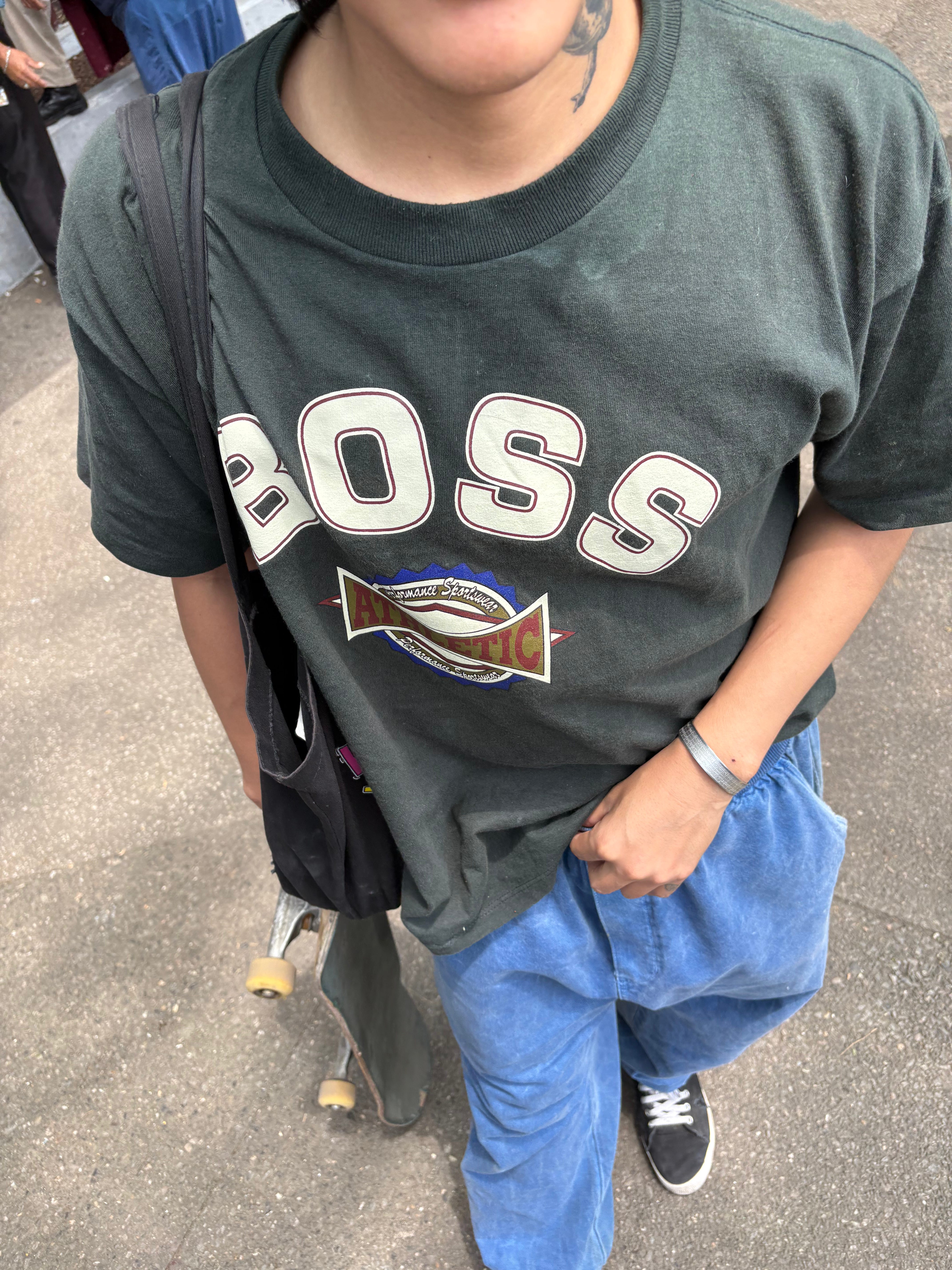
Atiya Walcott ofrece un detallado análisis en su video “The Power of the Personal Uniform” (El Poder del Uniforme Personal). Donde constantemente hace énfasis en la importancia de responder a la pregunta ¿Qué resulta autentico a ti mismo?, que puede parecer una tarea difícil, pero quizás discernir qué no, sea más sencillo. Yo sé que – ahora mismo – no uso zapatillas, caminar por la ciudad y tomar bicicletas con zapatillas no parece ideal; pero mi amiga lo hace, y le funciona, es ella. Lo que vistes no debería de sentirse como un disfraz.